Address
8th Floor, Building N6, Fenggang Tian’an Cyber Park, No. 206 Fenggang Section, Dongshen Road, Fenggang Town, Dongguan, Guangdong, China
Work Hours
Monday to Friday: 7AM - 7PM
Weekend: 10AM - 5PM
Address
8th Floor, Building N6, Fenggang Tian’an Cyber Park, No. 206 Fenggang Section, Dongshen Road, Fenggang Town, Dongguan, Guangdong, China
Work Hours
Monday to Friday: 7AM - 7PM
Weekend: 10AM - 5PM

Understand tin box recycling, PET windows, removable inserts and environmental claims. Includes component separation and B2B procurement guidance.
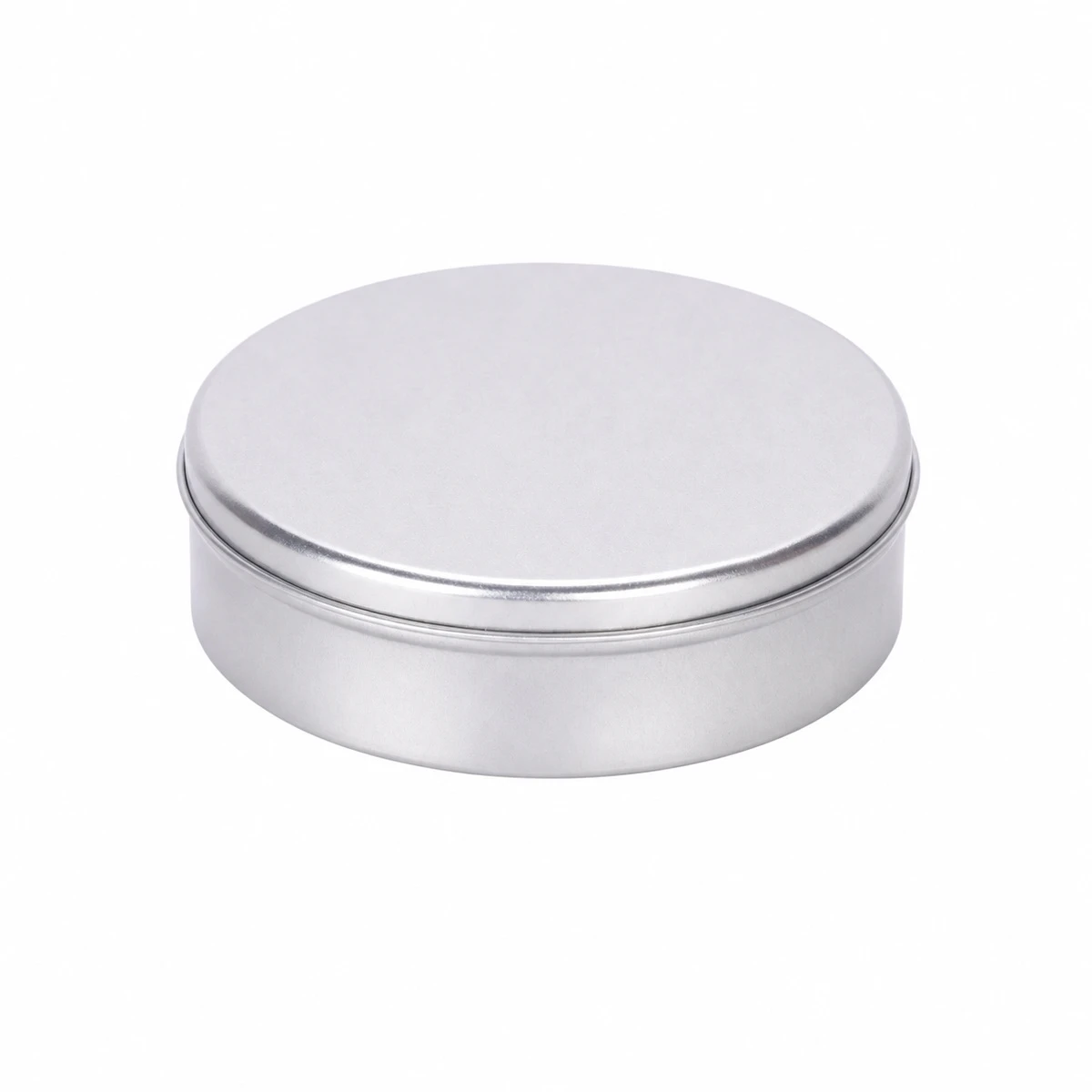
Tinplate boxes are steel-based metal packaging that can be recycled where suitable collection and processing exist. Whether a finished tin pack is accepted depends on its components and local rules. PET windows, plastic trays, foam and liners should be assessed separately rather than described as automatically recyclable with the tin.
This guide helps brands design clearer recycling instructions and evaluate a complete tin pack. JIAMU is a custom tin packaging manufacturer in Dongguan, China. For the broader brand perspective, see our sustainable custom tin packaging overview. This article focuses on material identification, separation and evidence for claims.
Most decorative food and gift tins use tinplate: steel coated with a thin layer of tin. The finished package may also include printing inks, varnish, an interior coating, a window, seals and inserts. A steel-based tin should not be confused with an aluminium container, and the complete pack should not be called plastic-free without checking every component.
Compare material choices in our tinplate, aluminium and plastic packaging guide.
Steel is a recyclable material and can be used in new steel products after processing. Magnetic separation helps recover steel in suitable sorting systems. This material property does not mean every tin sold is collected, processed or turned into another tin box.
Keep three terms distinct: recyclable describes a design’s suitability for a recycling system; recycled content describes material already recovered and used in the new pack; recycling rate describes what happened to waste within a defined region and period. One cannot substitute for another.
Industry data should identify the material, region, year and calculation method. Do not compare a global plastic figure with a European steel-packaging figure as though they measure the same population. Metal Packaging Europe’s recycling overview provides regional data and explains repeated recycling of metals.
| Component | Design and disposal considerations |
|---|---|
| Steel tin body and metal lid | Check local metal-packaging acceptance and whether lids should be attached or separate; empty the pack |
| PET window or plastic tray | Identify the polymer; make separation practical where possible; check local acceptance |
| Paper or board insert | Keep removable; food residue, coatings or laminates may affect acceptance |
| Foam, seals and adhesive parts | Assess separately; avoid assuming they belong in the metal stream |
| Paint, varnish and interior coating | These are not normally removable by consumers; confirm compatibility with the intended recycling route |
Our window tin design guide explains the functional trade-offs of adding a clear panel. The interior coating guide helps identify the lining needed for product protection.
A practical message might read: “Empty the tin. Remove the separate insert. Check local guidance for the metal tin and each insert material.” Adapt it to the destination market and pack design; this example is not a certification.
A durable tin can provide secondary storage, but reuse is a possible consumer behaviour, not a guaranteed number of uses. Specify useful dimensions, a reliable lid and durable printing if secondary use is part of the design brief.
Request supplier evidence for a recycled-content claim. A tin being recyclable does not prove that it contains a particular percentage of recycled steel. Avoid broad claims such as “zero waste,” “always greener” or “100% recyclable everywhere.”
Compare environmental performance for the same function and product quantity using appropriate life-cycle evidence. Pack weight, manufacturing, transport, product damage, actual reuse and end-of-life handling can change the result. Removing an inner bag is not automatically an improvement if it causes more food spoilage; see our biscuit packaging and freshness guide.
The UK’s Plastic Packaging Tax applies to qualifying plastic packaging components with less than 30% recycled plastic, subject to its scope and thresholds. A metal tin body does not automatically remove obligations relating to separate plastic components. See HMRC’s Plastic Packaging Tax overview and component classification guidance.
The EU plastics own resource is a contribution based on member states’ non-recycled plastic packaging waste; it is not the same tax applied directly to every brand at a 30% threshold. See the European Commission’s explanation.
Extended Producer Responsibility obligations are separate and may cover metal as well as plastic packaging. Check the rules for each sales market, the responsible business and each material. Do not assume that switching to tin makes the whole pack exempt from packaging fees or reporting.
Use our custom tin quotation checklist to include these requirements in the supplier brief.
Tinplate boxes are steel-based and can be recycled where suitable collection and processing exist. Check local guidance and assess separate windows, trays and liners.
Do not assume so. Acceptance depends on the design and local system. Identify the material and give separation instructions where appropriate.
Not necessarily. Recyclability and recycled content are different claims. Request evidence for the recycled content of the actual supplied material.
Tinplate is not biodegradable. Its end-of-life options include reuse and recycling where suitable systems exist.
Not automatically. Plastic tax, EPR and other packaging rules have different scopes. Separate plastic components and metal packaging obligations must be assessed for each market.
Explore JIAMU’s custom tin packaging formats and discuss your packaging specification. Include the target markets, contents, insert materials and environmental claims you want to substantiate.