Address
8th Floor, Building N6, Fenggang Tian’an Cyber Park, No. 206 Fenggang Section, Dongshen Road, Fenggang Town, Dongguan, Guangdong, China
Work Hours
Monday to Friday: 7AM - 7PM
Weekend: 10AM - 5PM
Address
8th Floor, Building N6, Fenggang Tian’an Cyber Park, No. 206 Fenggang Section, Dongshen Road, Fenggang Town, Dongguan, Guangdong, China
Work Hours
Monday to Friday: 7AM - 7PM
Weekend: 10AM - 5PM

How tinplate unites luxury and sustainability, redefining premium packaging for modern, responsible brands.
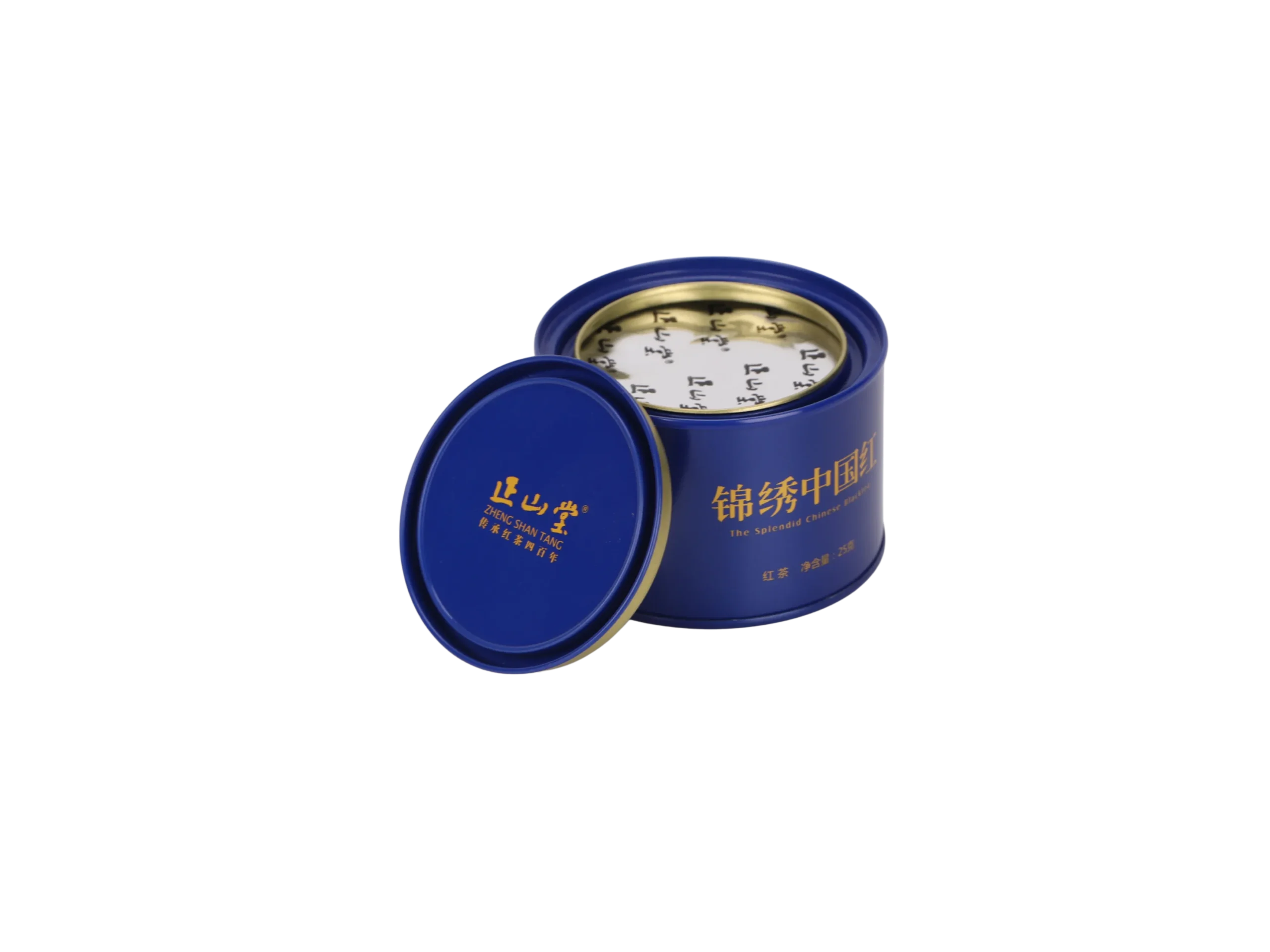
In an era where the “unboxing experience” is just as critical as the product itself, brands are facing a dual challenge: how to provide premium, high-end aesthetics while adhering to increasingly strict environmental standards. While plastic was once the king of convenience and cardboard the go-to for eco-conscious simplicity, tinplate packaging has emerged as the sophisticated middle ground that sacrifices neither style nor sustainability.
But what exactly is tinplate, and why is it making a massive comeback across industries ranging from high-end confectionery to luxury cosmetics?
To appreciate the value of tinplate, one must first understand its composition. Tinplate is a thin sheet of steel coated with a microscopic layer of tin. This combination creates a “super-material” that leverages the strength and formability of steel with the corrosion resistance and non-toxic properties of tin.
Historically, tinplate was the backbone of the industrial revolution’s food preservation efforts. Today, however, it has moved out of the pantry and onto the vanity and the gift shelf. Modern manufacturing allows for precision embossing, high-fidelity offset printing, and a variety of finishes—matte, glossy, or metallic—that transform a simple metal box into a piece of art.
The most compelling argument for tinplate in 2026 is its environmental footprint. Unlike many “recyclable” plastics that eventually degrade in quality and end up in landfills (downcycling), tinplate is permanently available.
Marketing experts often talk about “sensory branding”—engaging the consumer’s senses to build an emotional connection. Tinplate packaging is a powerhouse in this department.
There is an inherent “premium” feel to the weight and coolness of metal. When a customer picks up a tinplate box, they immediately perceive a higher value than if they were holding a paper carton. Features like 3D embossing or debossing allow brands to create textures that customers can feel, making the brand literally “tangible.”
The sound of a well-fitted tin lid closing provides a sense of security and quality. This “acoustic branding” reinforces the idea that the product inside is protected and fresh.
Tinplate serves as a superior canvas for printing. Using modern UV offset printing, brands can achieve vibrant colors and intricate details that are difficult to replicate on porous surfaces like cardboard. Metallic inks can also be used to create a “glow-from-within” effect that catches the light on retail shelves.
| Industry | Primary Use Case | Key Benefit |
|---|---|---|
| Confectionery | Seasonal gift boxes (Christmas/Valentine’s) | High perceived value & protection for delicate chocolates. |
| Cosmetics | Solid perfumes, beard balms, and palette kits | Durable, portable, and chemical-resistant. |
| Tea & Coffee | Airtight storage canisters | Light and moisture barrier to preserve volatile aromas. |
| Cannabis/CBD | Child-resistant slide tins | Combines safety mechanisms with sleek, modern aesthetics. |
Beyond the marketing fluff, tinplate is a functional powerhouse. It provides a total barrier against:
For global brands, this means a longer shelf life and a lower rate of product “shrinkage” or returns due to damage during shipping. The structural rigidity of a tin box ensures that the contents arrive in the customer’s hands exactly as intended.