Address
8th Floor, Building N6, Fenggang Tian’an Cyber Park, No. 206 Fenggang Section, Dongshen Road, Fenggang Town, Dongguan, Guangdong, China
Work Hours
Monday to Friday: 7AM - 7PM
Weekend: 10AM - 5PM
Address
8th Floor, Building N6, Fenggang Tian’an Cyber Park, No. 206 Fenggang Section, Dongshen Road, Fenggang Town, Dongguan, Guangdong, China
Work Hours
Monday to Friday: 7AM - 7PM
Weekend: 10AM - 5PM

How custom metal tins become a storytelling medium — design, texture and reusability that carry a brand's narrative.
Published on April 21, 2026
In a world saturated with digital advertisements and fleeting social media trends, physical products must work harder than ever to capture a consumer’s heart. While the product inside is the core of the purchase, the packaging is the vessel for the brand’s story. Among all materials available to modern designers, tinplate stands unique—not just as a container, but as a bridge between nostalgia and futuristic sustainability.
Today, we explore the nuances of tinplate packaging that go beyond simple functionality, focusing on how it transforms a commodity into a collectible.
From a technical standpoint, tinplate is a marvel of engineering. It combines the immense structural strength of steel with the non-reactive, brilliant finish of tin. This creates a “fortress” for the product inside. Unlike cardboard, which can absorb ambient moisture and odors, or plastic, which can degrade when exposed to heat, tinplate is a stable environment.
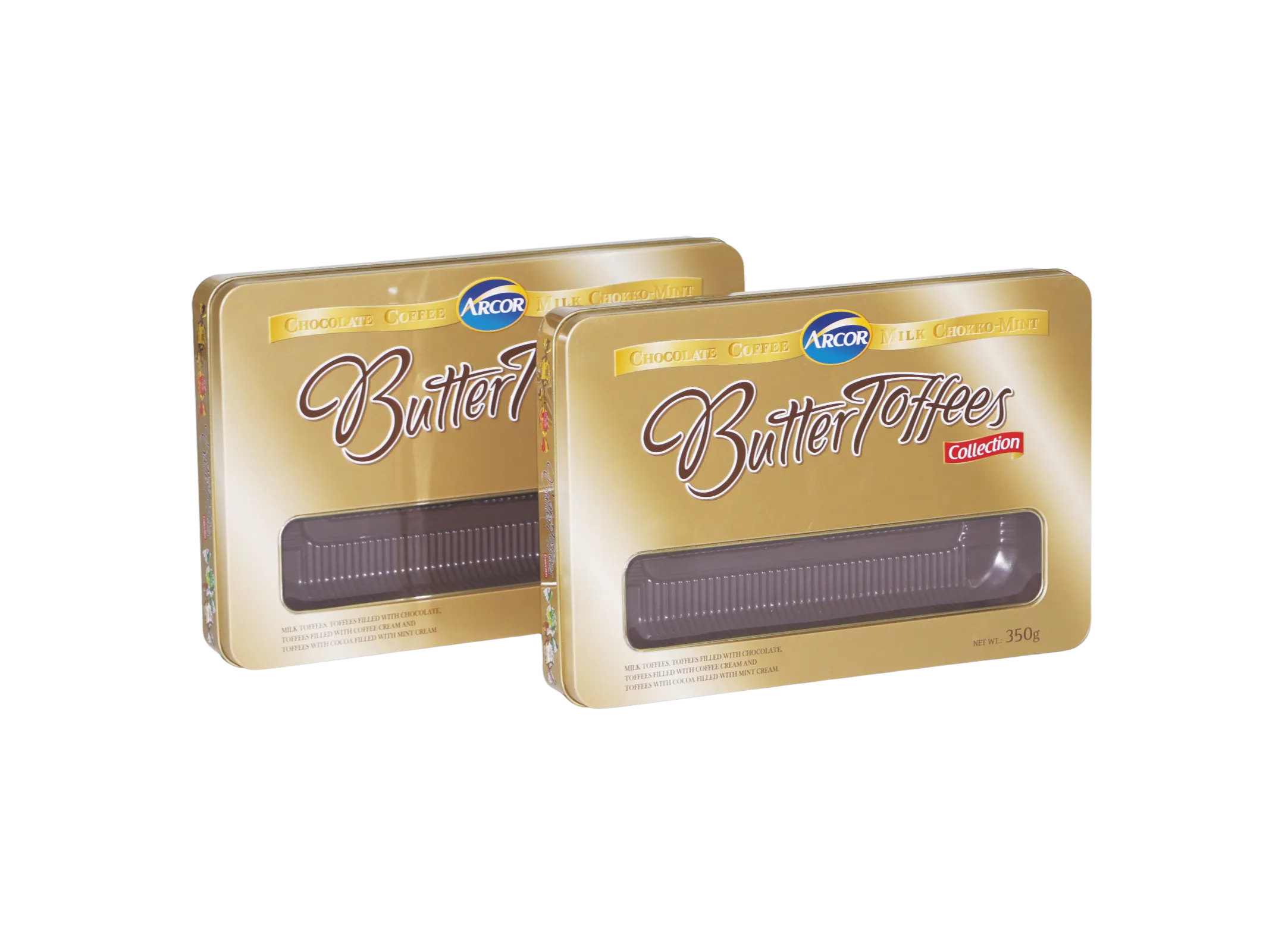
For brands in the premium food and beverage sector, this integrity is paramount. Whether it’s delicate loose-leaf tea, high-percentage cocoa chocolates, or artisanal biscuits, tinplate ensures that the product the customer receives is exactly what the master maker intended—unbroken, fresh, and aromatic.
One of the most powerful aspects of tinplate is its lifespan. In marketing, we call this Residual Brand Presence. When a consumer buys a product in a paper bag, that bag is discarded within minutes. When they buy a product in a beautifully lithographed tin, the packaging becomes a household staple.
Modern tinplate isn’t just about printing; it’s about architecture. Today’s manufacturing allows for levels of detail that were impossible a decade ago:
| Technique | Description | Consumer Impact |
|---|---|---|
| Micro-Embossing | Extremely fine raised patterns on the metal surface. | Adds a “fabric-like” texture that invites touching. |
| Spot Gloss & Matte | Varying the light reflection on specific parts of the tin. | Directs the eye to the logo or key brand message. |
| Internal Printing | Printing designs or messages on the inside of the lid. | Creates a “surprise and delight” moment during unboxing. |
| Pearl Coatings | Applying a shimmer finish over the base metal. | Gives the packaging a luxury, iridescent glow. |
We must address the environmental elephant in the room. Plastic pollution has reached a critical point. Tinplate offers a pathway to a Circular Economy that is both practical and profitable. Because steel is 100% recyclable without any loss in quality, it remains in the production loop forever.
Furthermore, the energy required to recycle steel is 60-75% less than that required to produce it from raw ore. By choosing tinplate, brands are actively participating in the reduction of carbon footprints while offering a product that consumers feel good about purchasing.
The choice of packaging is a reflection of a brand’s soul. As we move further into 2026, the brands that win will be those that offer more than just a product—they will offer an experience, a memory, and a commitment to the planet.
Tinplate packaging is the intersection where engineering meets art. It is durable, beautiful, and eternal. Whether you are launching a boutique fragrance or a global confectionery line, the “Art of the Tin” is your gateway to standing out in a crowded marketplace.
Is your brand ready for a metallic makeover? Let’s build something that lasts.