Address
8th Floor, Building N6, Fenggang Tian’an Cyber Park, No. 206 Fenggang Section, Dongshen Road, Fenggang Town, Dongguan, Guangdong, China
Work Hours
Monday to Friday: 7AM - 7PM
Weekend: 10AM - 5PM
Address
8th Floor, Building N6, Fenggang Tian’an Cyber Park, No. 206 Fenggang Section, Dongshen Road, Fenggang Town, Dongguan, Guangdong, China
Work Hours
Monday to Friday: 7AM - 7PM
Weekend: 10AM - 5PM

A practical guide to tinplate procurement — material grades, thickness and coatings to specify for custom tin packaging.
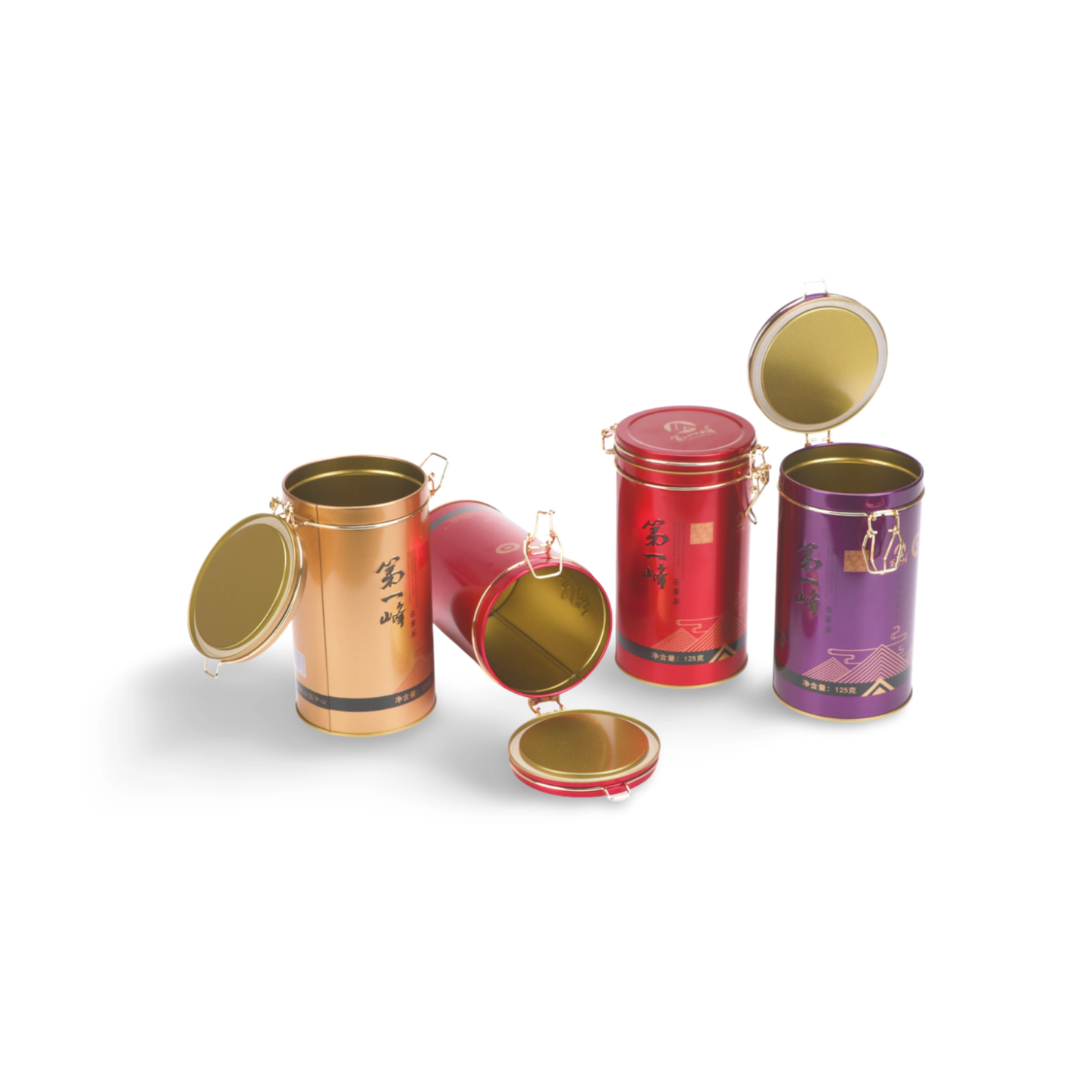
For brands that use metal packaging, tinplate procurement is more than a simple material purchase. The grade, temper, thickness, coating, surface finish, and printing performance of tinplate all influence the final look, strength, cost, and delivery reliability of custom tin boxes. A well-planned sourcing process helps buyers reduce risk before production starts and gives packaging suppliers a stronger foundation for consistent quality.
Tinplate is a thin steel sheet coated with tin. It combines the strength and formability of steel with the corrosion resistance and clean appearance of tin. In packaging, tinplate is widely used for cookie tins, tea tins, chocolate boxes, coffee cans, cosmetic tins, promotional gift boxes, and many other customized metal containers.
Because different products require different protection and forming performance, buyers should not treat all tinplate as the same material. The right specification depends on the product, box structure, decoration method, expected shelf life, and target cost.
1. Thickness: Tinplate thickness affects rigidity, forming stability, weight, and cost. Thinner material can reduce cost, but it may not be suitable for deep drawing, large boxes, or packaging that needs stronger resistance to dents. Thicker material improves strength but increases material cost and shipping weight.
2. Temper: Temper describes the hardness and mechanical properties of the steel base. A suitable temper helps the tinplate bend, stamp, curl, and form without cracking or losing shape. For custom tin packaging, the correct temper should match the tooling design and production process.
3. Tin coating: The tin coating level influences corrosion resistance and surface performance. Products with higher moisture, oil, acidity, or longer storage requirements may need stronger protection. For dry goods such as cookies, tea, or promotional packaging, the requirement may be different from food cans or chemical containers.
4. Surface finish: Bright, stone, matte, and other finishes can create different visual effects after printing or varnishing. If brand appearance is important, the surface finish should be confirmed early, especially for luxury packaging, gift tins, and retail displays.
5. Printing compatibility: Many tin packaging projects require offset printing, spot colors, varnish, embossing, debossing, or special coatings. Buyers should confirm that the tinplate surface is suitable for the planned decoration process and that color tests can be reviewed before mass production.
Tinplate sourcing can become difficult when specifications are unclear. A buyer may request standard tinplate, but the supplier still needs details such as thickness, temper, coating, finish, sheet size, printing requirements, and application. Without these details, quotations may look cheaper at first but create problems later in production.
Another common issue is lead time. Tinplate availability can be affected by mill schedules, sheet size requirements, printing workload, and seasonal packaging demand. For custom tin packaging, buyers should allow time for material preparation, sample making, printing approval, tooling adjustment, and final production.
Start with the packaging purpose. A tin box for premium chocolate may require a different structure and finish from a storage tin for promotional gifts. Share product details, filling method, expected use, and target market with your packaging supplier.
Confirm samples before mass production. Physical samples help buyers evaluate strength, printing color, lid fit, surface finish, and overall appearance. For new designs, sample approval is one of the most important steps in reducing production risk.
Review artwork and color standards carefully. Tinplate printing is different from paper printing. Metallic surfaces, white base coating, varnish, and lighting conditions can all affect the final color. Providing clear artwork files and color references helps improve accuracy.
Choose suppliers with packaging experience. Tinplate quality is only one part of the project. Tooling, printing, forming, assembly, inspection, and export packing all affect the final result. A supplier with experience in custom tin packaging can help buyers balance material choice, design feasibility, cost, and delivery time.
Tinplate packaging offers a premium feel, strong protection, excellent printability, and long-term reusability. Compared with many disposable packaging options, custom tin boxes can continue to be used by consumers after the original product is finished. This gives brands more lasting visibility and can support a more sustainable packaging strategy.
For procurement teams, the goal is not simply to buy the lowest-priced tinplate. The better goal is to select the right material and the right production partner for the product. When specifications are clear and communication is detailed, tinplate packaging can deliver reliable quality, attractive branding, and strong value for retail and promotional markets.
JIAMU Packaging helps brands develop custom tin boxes for food, gifts, cosmetics, tea, coffee, and promotional products. If you are planning a new tin packaging project, our team can support material selection, structure design, printing, sampling, and mass production.