Address
8th Floor, Building N6, Fenggang Tian’an Cyber Park, No. 206 Fenggang Section, Dongshen Road, Fenggang Town, Dongguan, Guangdong, China
Work Hours
Monday to Friday: 7AM - 7PM
Weekend: 10AM - 5PM
Address
8th Floor, Building N6, Fenggang Tian’an Cyber Park, No. 206 Fenggang Section, Dongshen Road, Fenggang Town, Dongguan, Guangdong, China
Work Hours
Monday to Friday: 7AM - 7PM
Weekend: 10AM - 5PM

What drives the cost of custom tin packaging — size, structure, printing, tooling and order volume, with practical pricing guidance.
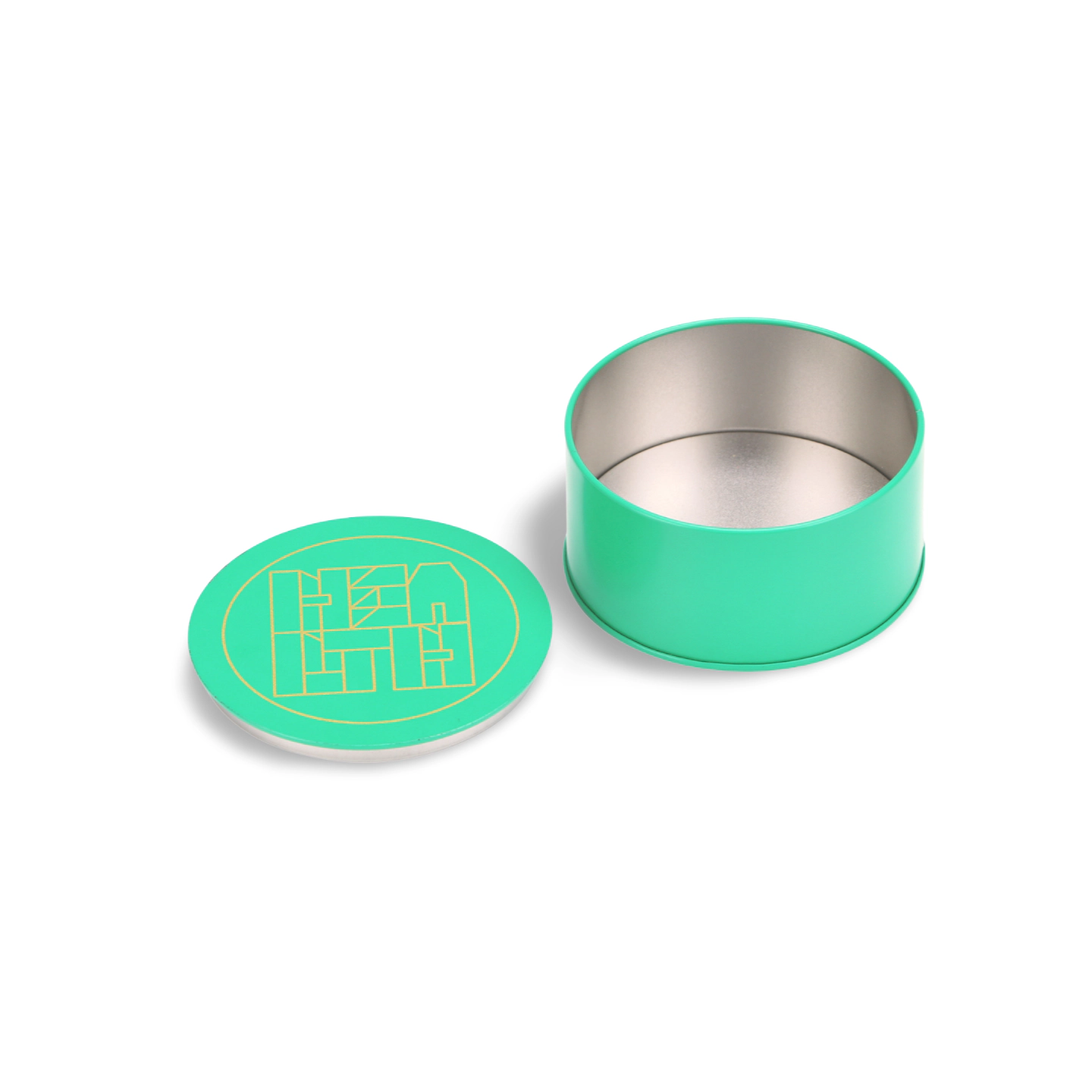
The cost of custom tin packaging depends on the tin box size, material thickness, printing method, surface finish, structure, mold requirement, order quantity, and export packing details.
Custom tin packaging does not have one fixed price because each project is made according to the buyer’s product, brand design, and packaging requirements. The main cost factors include tinplate material, size, printing, mold, structure complexity, finishing process, MOQ, inner tray, packing method, and delivery requirements.
Unlike stock packaging, custom tin packaging is developed for a specific brand and product. Two tin boxes may look similar, but their cost can be different if they use different material thickness, printing effects, lid structures, inner coatings, or order quantities.
For B2B buyers, understanding the cost structure helps avoid unrealistic quotations and makes it easier to compare suppliers fairly.
Size is one of the most direct cost factors. Larger tin boxes require more tinplate material and may need stronger structure support. Deep or irregular shapes may also require more complex forming processes.
Before requesting a quotation, buyers should prepare product dimensions or an estimated packaging size. If the size is not fixed, the manufacturer can recommend a practical structure based on the product volume and packaging purpose.
Tinplate thickness affects strength, durability, and cost. Thicker tinplate may improve rigidity and premium feel, but it also increases material cost. Thinner tinplate may reduce cost, but it must still meet the structural needs of the product.
A professional manufacturer can help buyers choose a suitable thickness based on tin box size, product weight, transportation requirements, and brand positioning.
Printing is a major part of custom tin packaging cost. CMYK printing, Pantone color matching, metallic effects, and full-surface artwork may have different production requirements.
If the design requires strict brand color control, buyers should provide clear artwork files and color references. Accurate artwork preparation can reduce proofing revisions and production risk.
Common surface finishes include glossy varnish, matte varnish, metallic finish, soft-touch effect, and special coating. These options can make the packaging look more premium, but they may also increase production cost.
For gift packaging, tea tins, coffee tins, chocolate tins, and premium promotional tins, surface finish plays an important role in visual presentation.
If your project uses an existing mold, the cost and development time can be lower. If you need a completely new size or special shape, mold development cost may be required.
New molds are common when brands need exclusive packaging dimensions, special lid structures, or unique product presentation. Buyers should confirm whether the mold cost is a one-time cost and whether it can be used for future repeat orders.
A simple slip lid tin box is usually easier to produce than a complex hinged tin box with window, insert, embossing, and special surface treatment. More complex structures require more production steps and more quality inspection.
For cost-sensitive projects, buyers can ask the manufacturer to recommend a structure that balances brand presentation and production efficiency.
Order quantity has a strong impact on unit cost. Higher quantity usually spreads printing setup, machine setup, and production preparation costs across more pieces, resulting in a lower unit price.
If a buyer only compares the unit price without considering quantity, the quotation may be misleading. A suitable order quantity should match the brand’s sales plan, inventory strategy, and product launch schedule.
Some products need inner trays, paper inserts, EVA inserts, PET trays, dividers, labels, sleeves, or protective packing. These details can improve product presentation and protection, but they also affect the final packaging cost.
For products such as chocolate, cookies, candles, cosmetics, and gift sets, inner structure is often important for both appearance and protection.
To receive an accurate quotation, buyers should provide:
Custom tin packaging includes artwork processing, printing setup, structure confirmation, material preparation, and production control. It provides stronger brand identity than stock packaging.
Yes. Using an existing mold can reduce development cost and shorten the production timeline if the size and structure are suitable for your product.
Yes. More colors, special effects, metallic finishes, and strict color matching may increase production cost and setup requirements.
Yes. JIAMU can recommend suitable structures, materials, and finishing options to help balance appearance, function, and cost.
JIAMU helps overseas B2B buyers develop custom tin packaging based on product needs, brand positioning, and budget requirements. Instead of offering one-size-fits-all packaging, we evaluate size, structure, printing, finish, and production feasibility for each project.
To receive a quotation, send your product details, size, quantity, artwork, and finish requirements to JIAMU.
Email: [email protected]