Address
8th Floor, Building N6, Fenggang Tian’an Cyber Park, No. 206 Fenggang Section, Dongshen Road, Fenggang Town, Dongguan, Guangdong, China
Work Hours
Monday to Friday: 7AM - 7PM
Weekend: 10AM - 5PM
Address
8th Floor, Building N6, Fenggang Tian’an Cyber Park, No. 206 Fenggang Section, Dongshen Road, Fenggang Town, Dongguan, Guangdong, China
Work Hours
Monday to Friday: 7AM - 7PM
Weekend: 10AM - 5PM

How tinplate packaging bridges heritage craft and modern technology to serve premium, forward-looking brands.
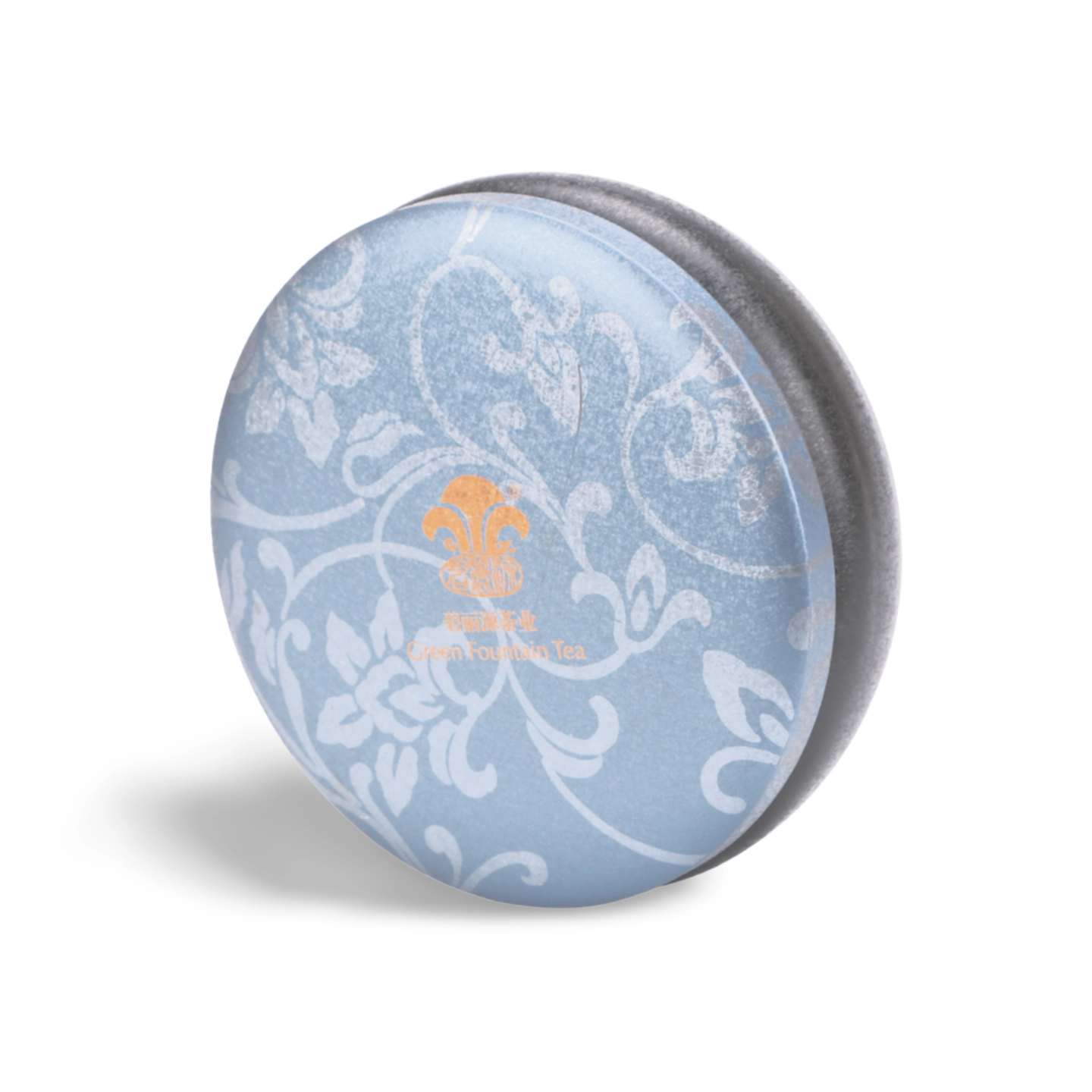
Exploring the 2026 Revival of Metallic Storytelling
For decades, the packaging industry chased a single ghost: the cheapest possible container. This pursuit led us down a path of single-use plastics and flimsy cardboards that, while cost-effective in the short term, eroded brand value and environmental health. However, in 2026, we are witnessing a powerful reversal. Brands are looking backward to move forward, rediscovering tinplate packaging as the ultimate vehicle for storytelling, sustainability, and sensory engagement.
Tinplate is no longer just a “tin can.” It has evolved into a high-tech canvas that allows brands to communicate their heritage while utilizing the most advanced manufacturing processes available today.
The secret to tinplate’s longevity lies in its unique composition. It is a harmonious marriage of two metals: a structural core of low-carbon steel and an ultra-thin, protective layer of electrolytic tin. This results in a material that is virtually impenetrable by the elements.
Unlike paper-based alternatives, tinplate provides a total barrier. It blocks 100% of UV light, which prevents the oxidation of delicate oils and fats. It is hermetically sealable, ensuring that the moisture levels inside the container remain constant. This is why the world’s most expensive saffron, the rarest loose-leaf teas, and the most delicate artisanal chocolates are almost exclusively housed in tin.
In the digital age, a brand must provide a physical “handshake” to its customer. Tinplate offers more decorative possibilities than almost any other material. Because the substrate is metal, it interacts with light in ways that paper never can.
The primary argument for tinplate in 2026 is its fit within the Circular Economy. To understand why metal is the winner in the green race, we must look at the “Permanent Material” concept.
| Metric | Tinplate (Steel) | Recycled Plastic (rPET) |
|---|---|---|
| Molecular Loss | 0% (Infinitely Recyclable) | High (Degrades every cycle) |
| Recycling Ease | High (Magnetic separation) | Complex (Optical sorting needed) |
| Consumer Reuse | High (Secondary utility) | Low (Perceived as waste) |
| Toxicity Risk | Inert/BPA-Free options | Possible leaching over time |
While food and beverage remain the backbone of the tinplate industry, several “New Era” markets are adopting metal packaging to differentiate themselves in a crowded marketplace:
As the legal market matures, high-end cannabis brands are moving away from plastic jars. They are turning to Child-Resistant (CR) Tins that offer a premium feel, pocket-friendly durability, and complete odor control.
The beauty industry is under fire for its plastic waste. Solid perfumes, balm sticks, and pressed powders are finding a new home in aluminum and tinplate “re-fill” systems. A customer buys one beautiful “Hero Tin” and then purchases refills in simple paper wraps.
Choosing tinplate is a strategic decision to move away from the “disposable” mindset. It is an investment in your brand’s physical presence. When a customer holds a metal tin, they feel the weight of your brand’s history and the quality of its future.
As we look forward to the rest of 2026, the trend is clear: Metal is the new gold. It is the only material that satisfies the modern demand for luxury while fulfilling the global requirement for a truly sustainable planet.
Is your product ready to be encased in the future? Discover the power of custom tinplate today.